
Index chart
Compare growth from any starting point. Every line is rebased to 1× at the date you hover, so you can see who compounded fastest from that moment — not just over a fixed window. Megacaps vs the S&P 500 over the last 10 years.
Hover anywhere to rebase every line to 1× at that date and compare growth from that point. Log scale.
Weekly split- and dividend-adjusted closes. For informational purposes only; not investment advice.
FAQ
- What is an index chart?
- An index chart normalizes several investments to the same starting value (1×) so you can compare their growth on one scale, regardless of share price. Each line shows how $1 invested at the start would have grown.
- How does rebasing on hover work?
- Every line is rebased to 1× at whatever date you hover, so you can see who compounded fastest from that exact moment — not just over a fixed window. Move the cursor to change the starting point.
- What's being compared?
- The largest US megacap stocks against the S&P 500 over the last 10 years, on a log scale, using weekly split- and dividend-adjusted closes (total return).
More visualizations
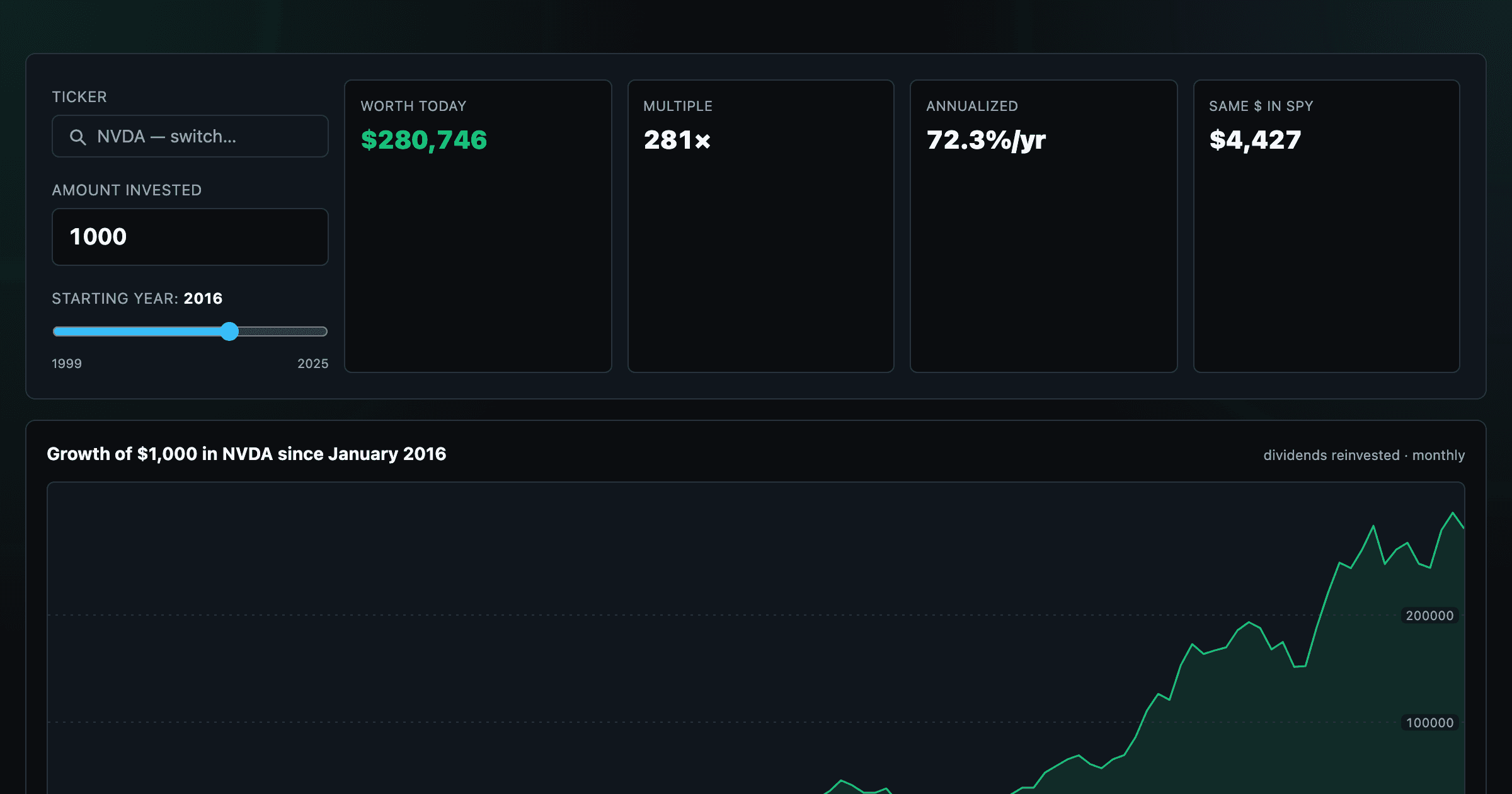
What $1,000 in any stock or ETF would be worth today.
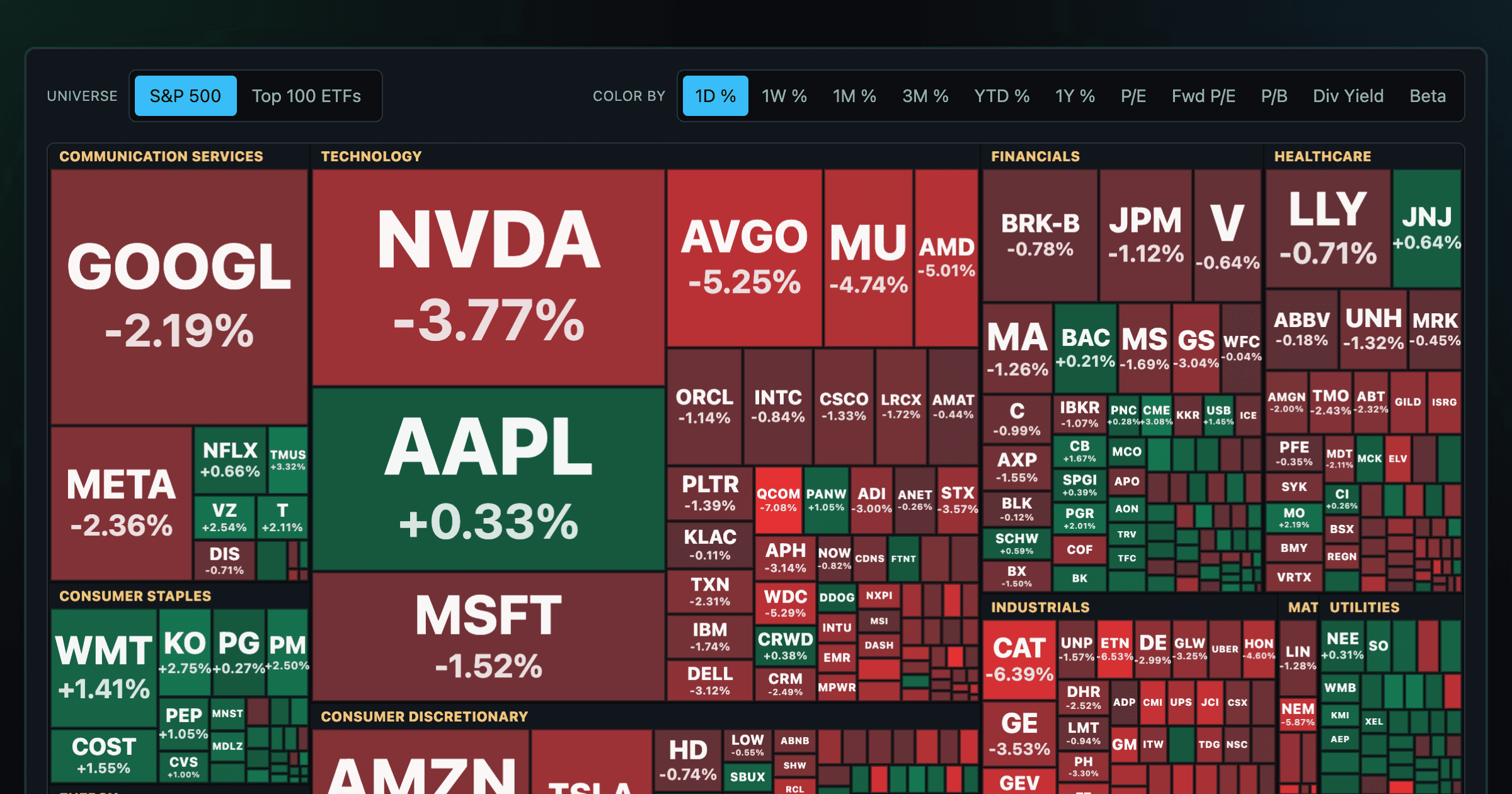
Every S&P 500 company sized by market cap — color by return or valuation.
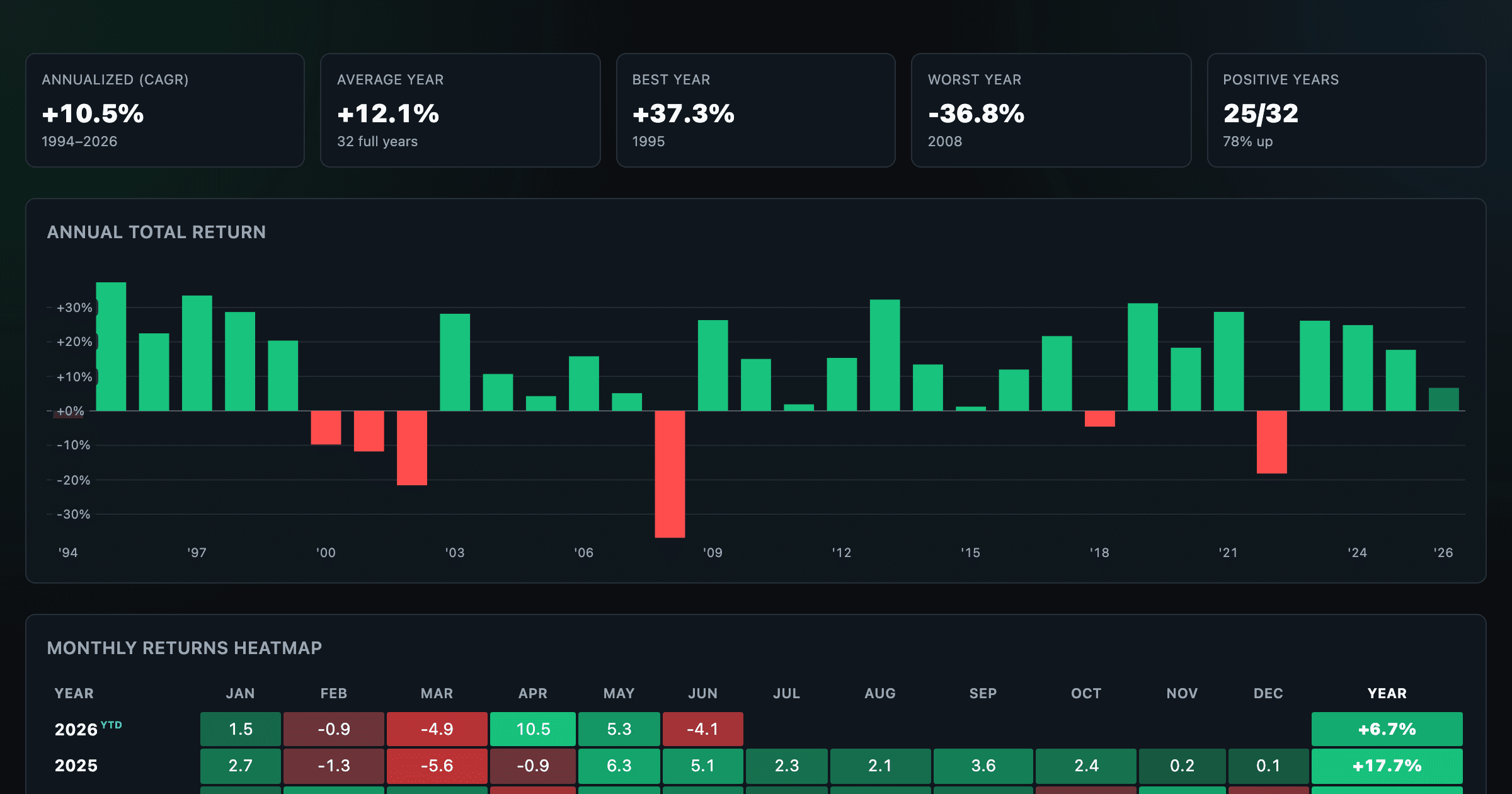
S&P 500 annual and monthly returns — every year, every month.
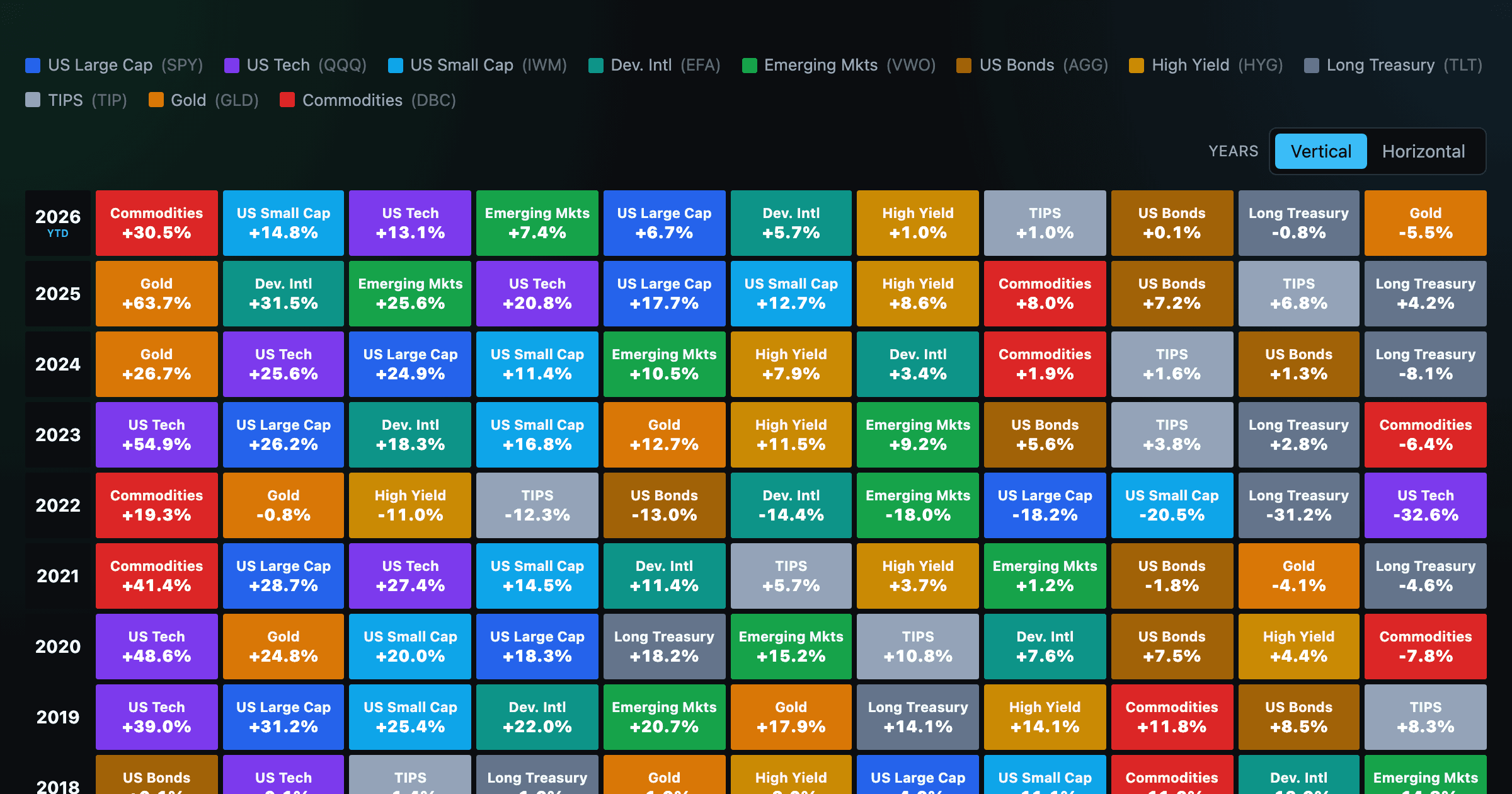
Asset-class returns ranked year by year — the Callan chart / asset allocation quilt.
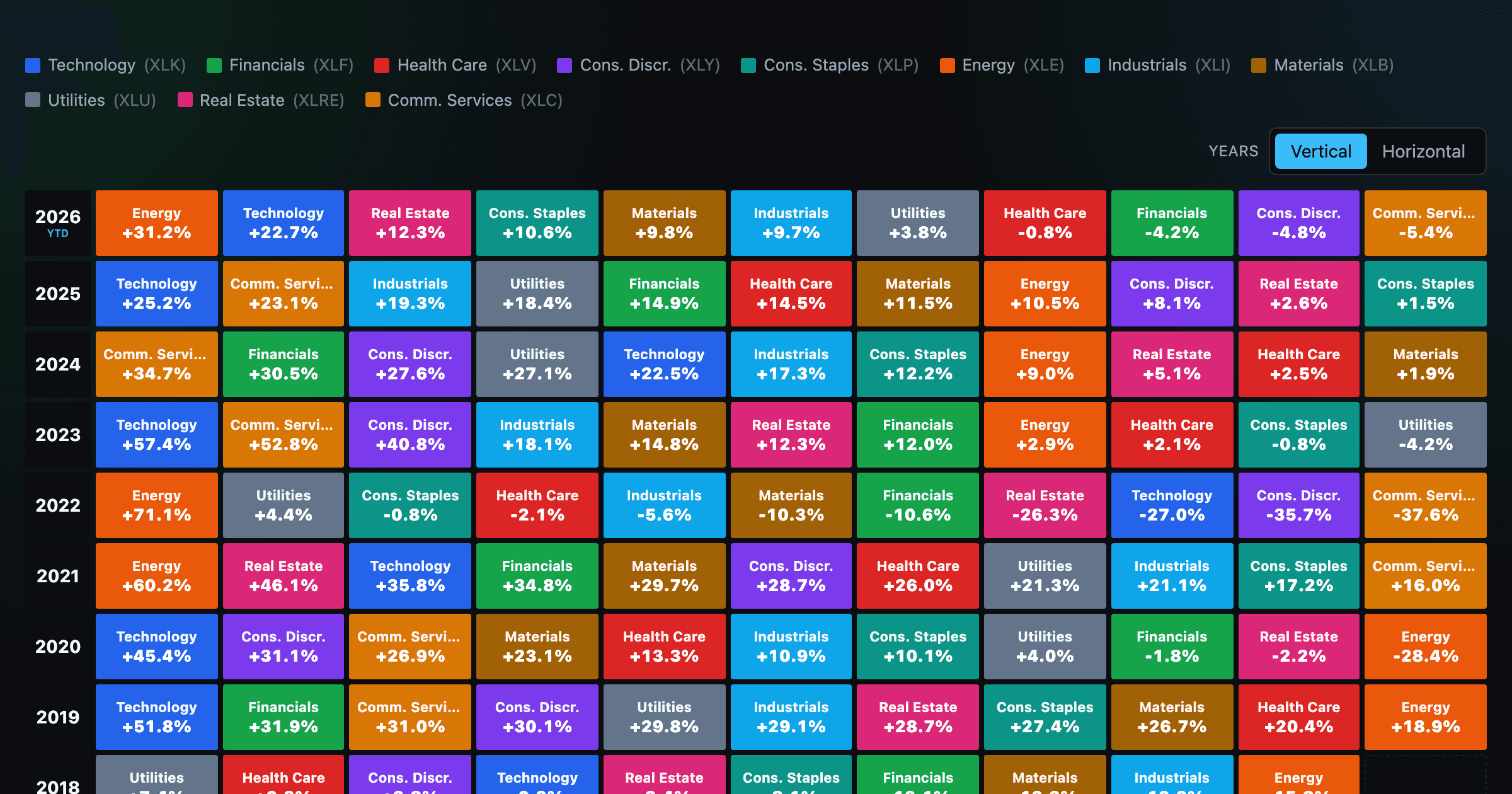
The 11 S&P 500 sectors ranked year by year — a sector quilt chart, back to 1999.
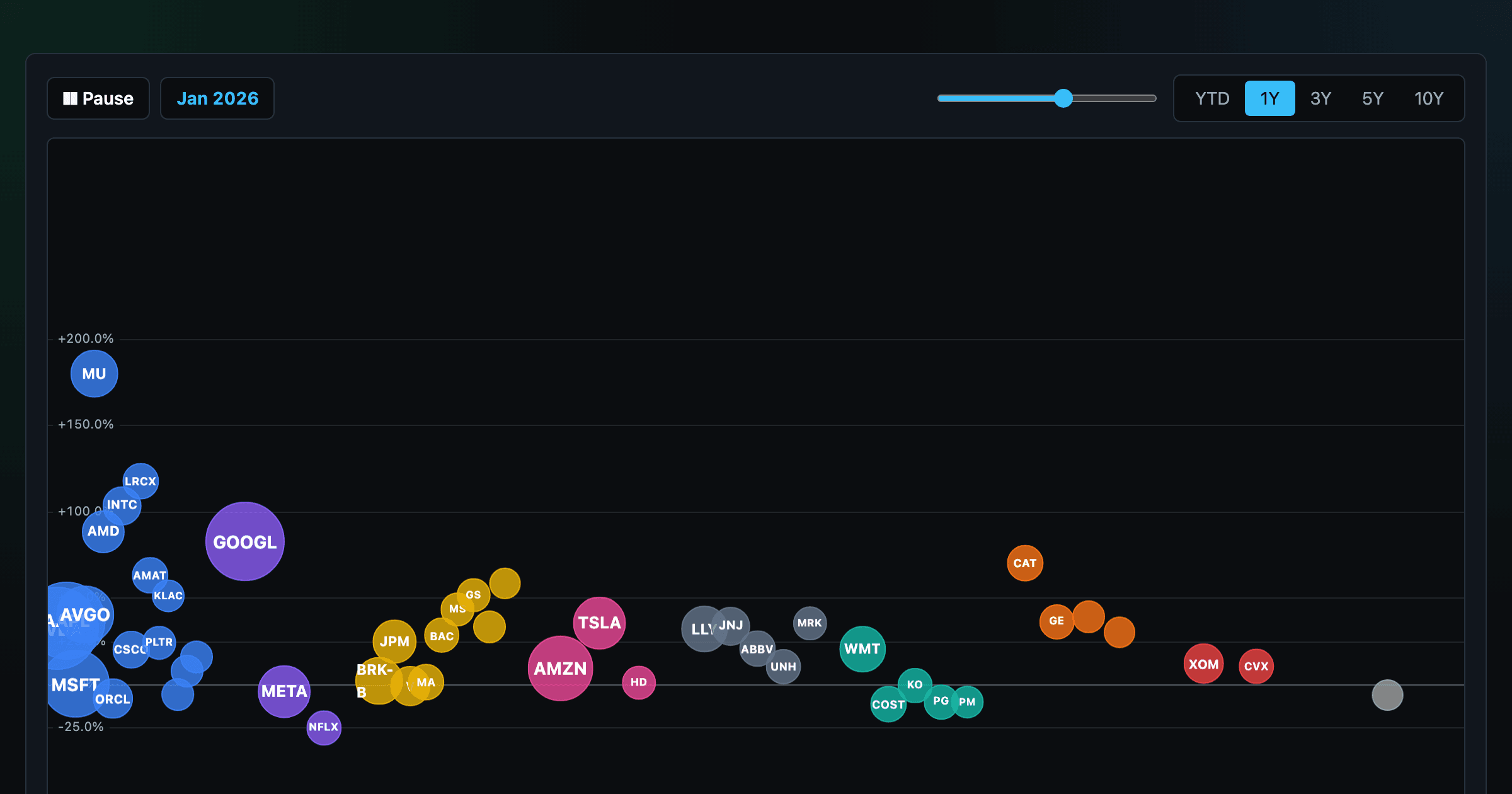
The biggest US companies as animated bubbles, rising and falling with their total return over time.
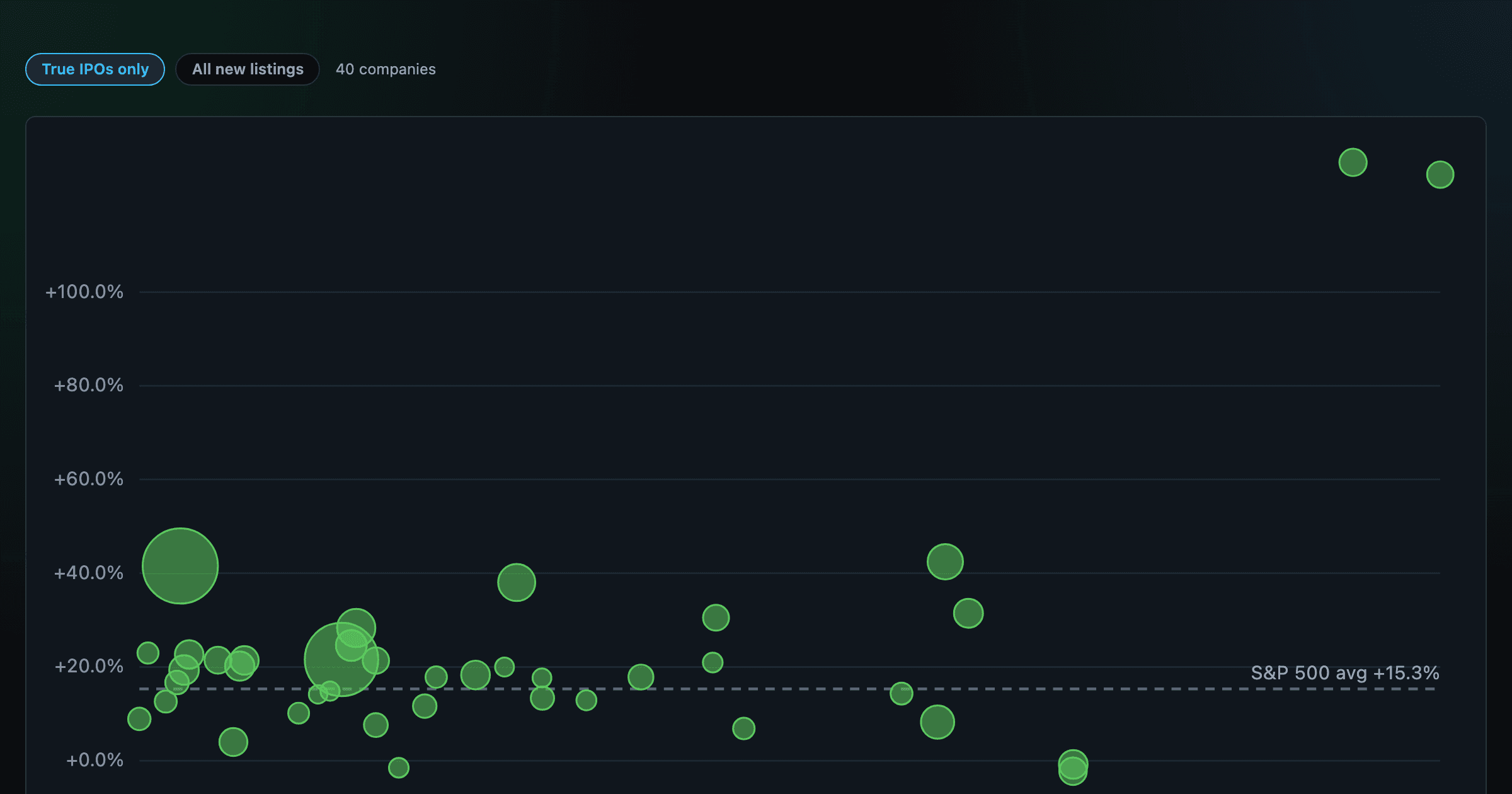
How recent stock-market debuts have performed since listing — annualized, vs the S&P 500, by IPO vs spin-off.
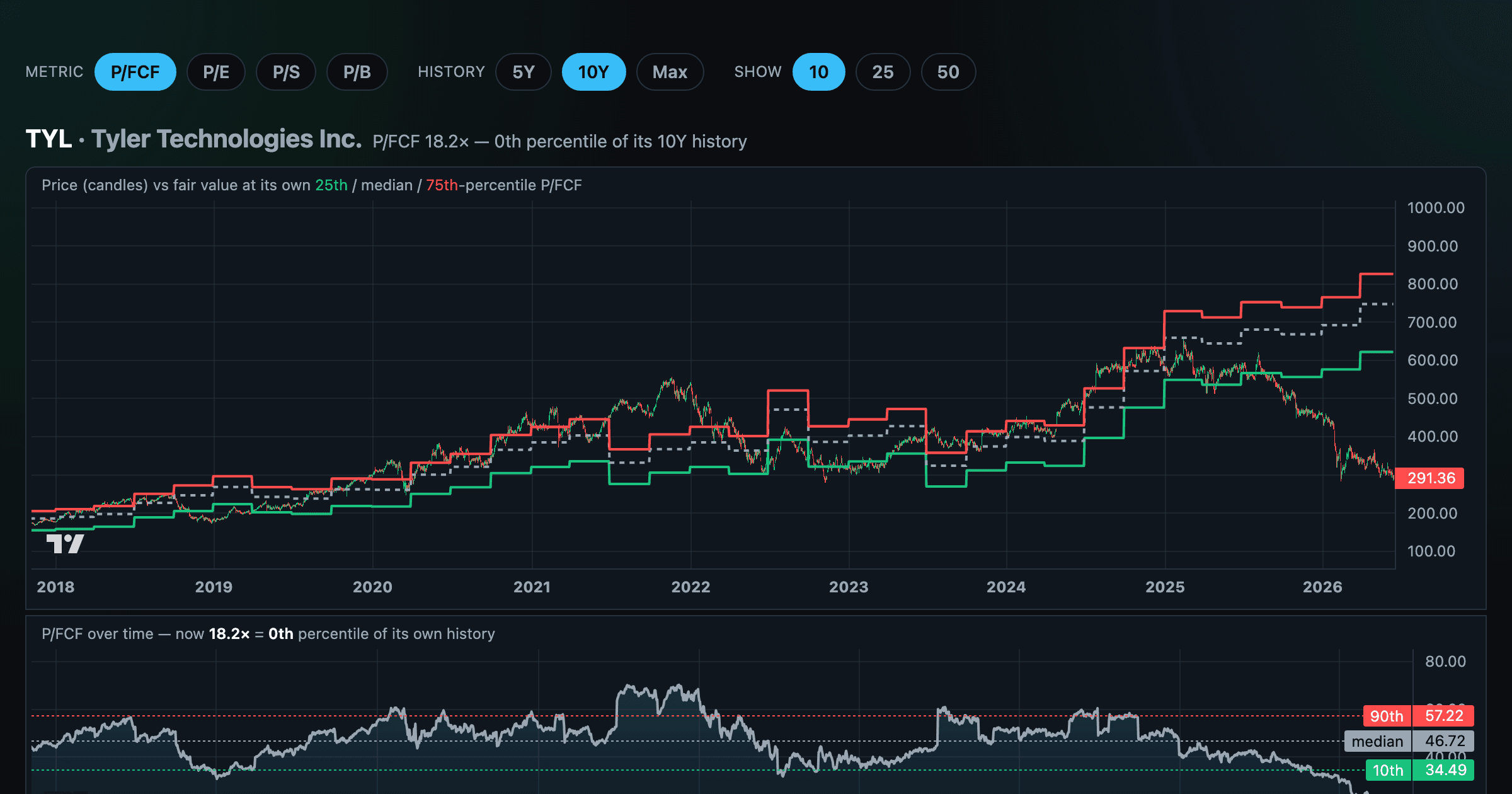
Stocks trading cheapest relative to their own P/E, P/FCF, P/S, or P/B history — with fair-value bands.
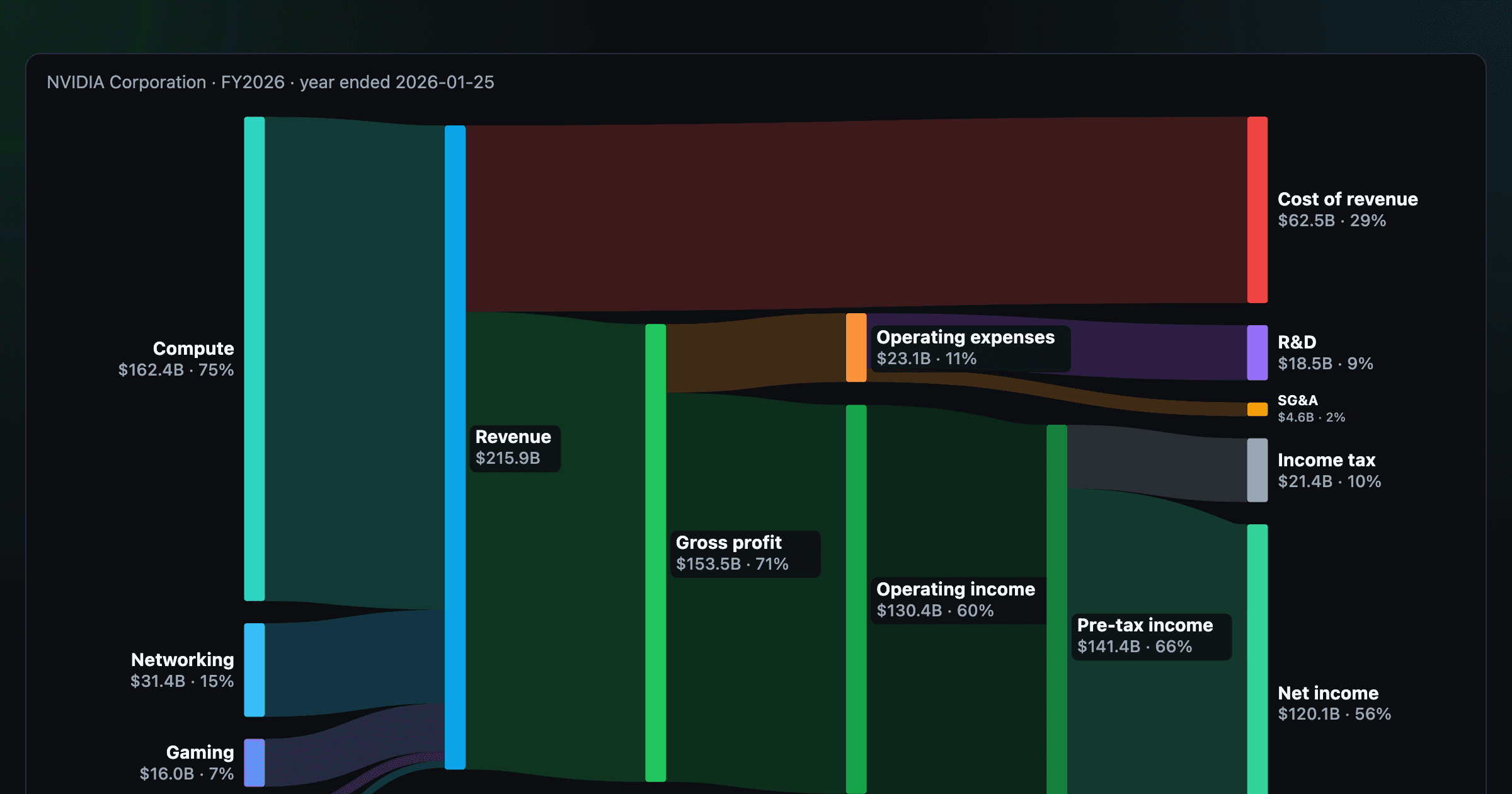
Follow a company's revenue through its income statement as a Sankey — costs, taxes, and profit.
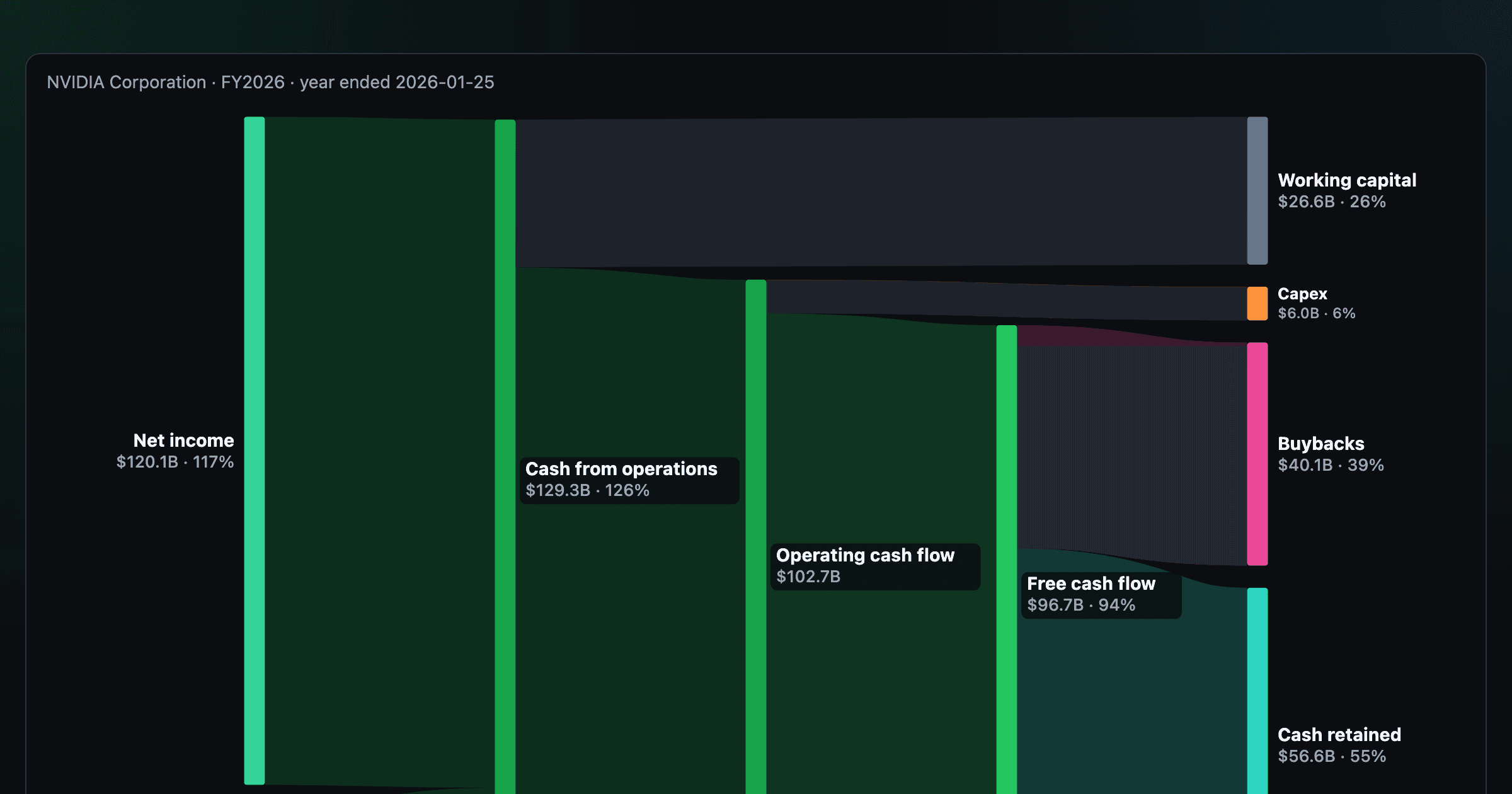
Follow a company's cash from net income through operating cash flow into capex, buybacks, and dividends.
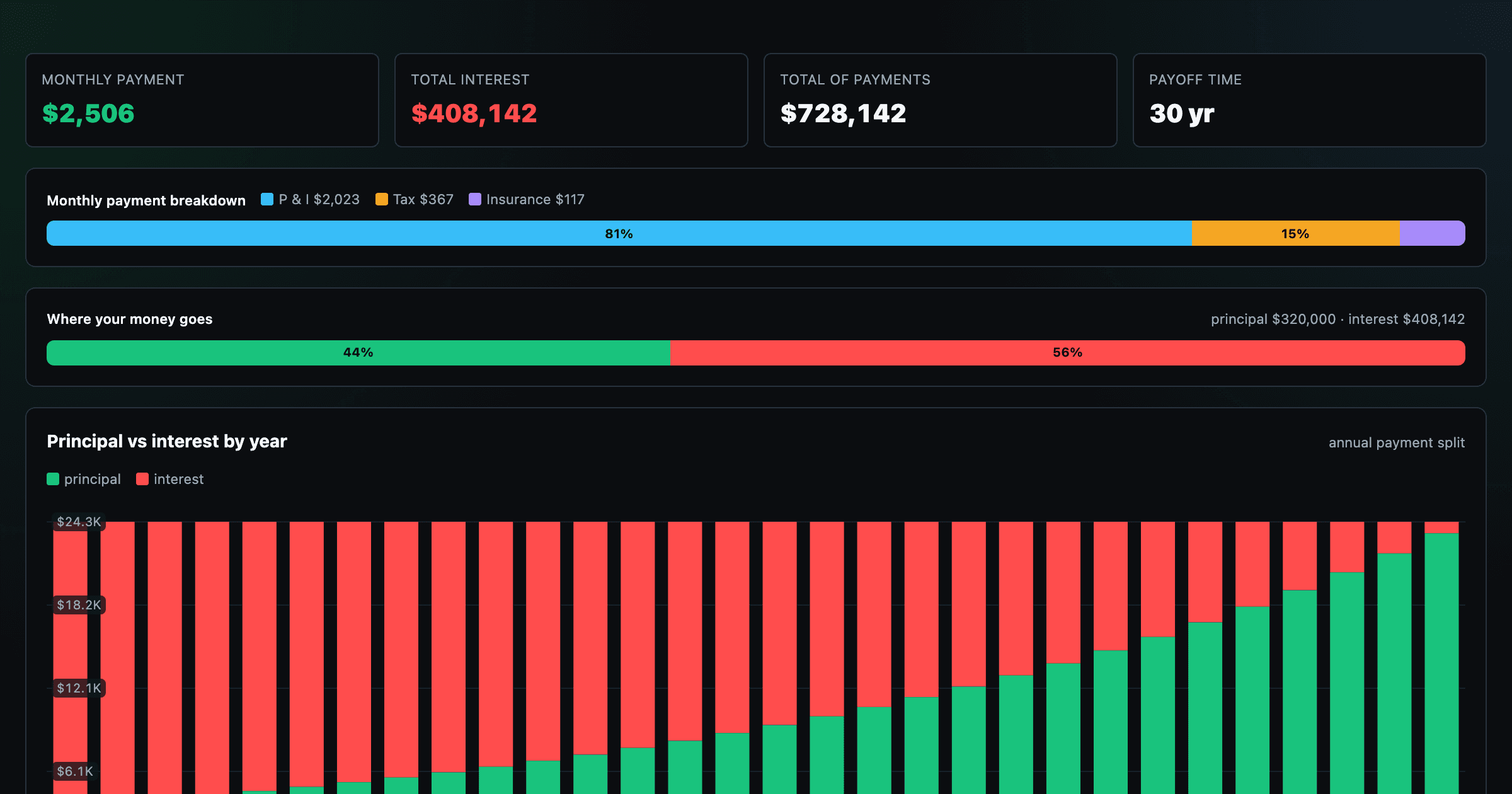
Monthly payment, principal vs interest by year, and the balance paydown — with extra-payment savings.
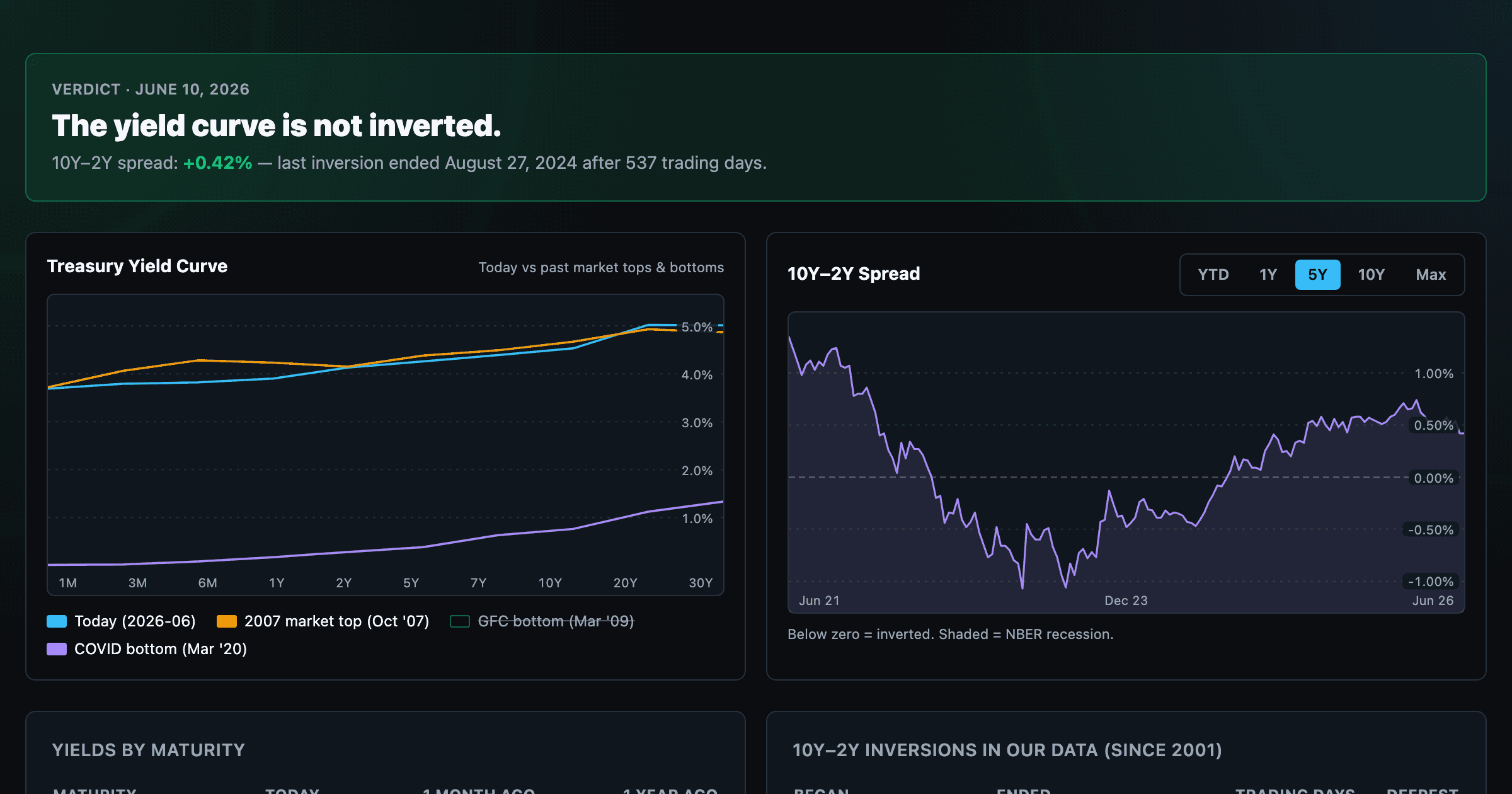
Live term structure, the 10Y–2Y spread, and every inversion episode.